
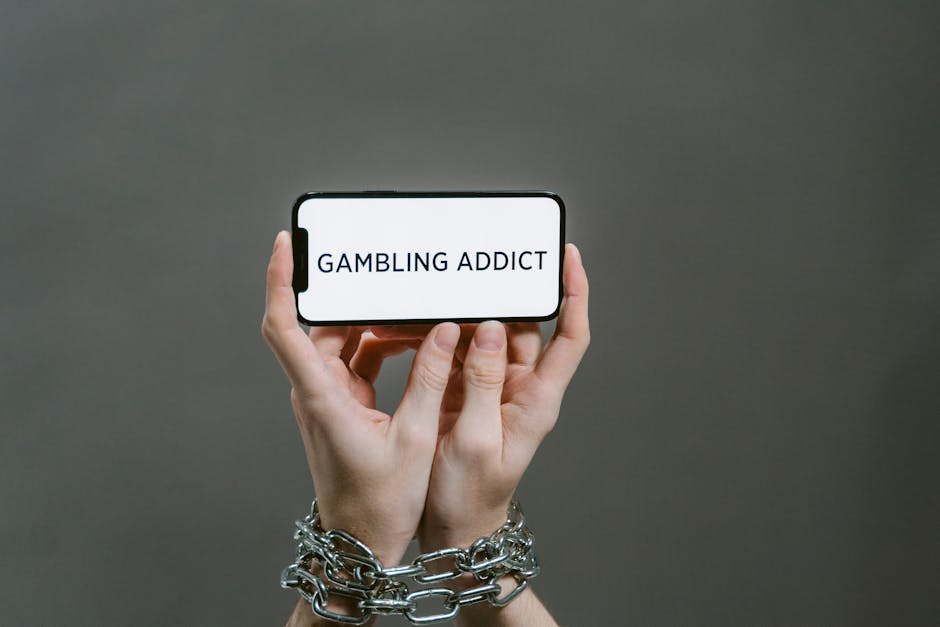
Why Early Detection Matters
Gambling often starts as something harmless a game, a way to blow off steam, maybe even a social ritual. But for some, that thrill can quietly slip into something much darker. The shift usually doesn’t happen all at once. It creeps in: a little more time spent playing, a bigger urge to chase wins, a shrug at another lost paycheck. Suddenly, what used to be entertainment becomes a pattern of risk.
The earlier that shift is seen, the better the chances of stopping it. Like most habits, problem gambling is easier to address in its early stages before financial strain sets in, before relationships get strained, and before mental health takes a hit.
The challenge? It doesn’t often scream for attention. Problem gambling hides in the margins. A few white lies here. An unexplained transaction there. Low level stress that doesn’t seem connected until it is. That’s why knowing what to look for matters. Subtle patterns, small behavioral shifts, changes in mood or energy levels all of these can be the flashing lights, even if the person doesn’t see them yet.
Spotting the signs early doesn’t mean making accusations. It means staying aware, asking quiet questions, and being ready to help when it counts.
Behavioral Shifts: The First Red Flags
Early signs of problem gambling often manifest in subtle changes to a person’s routine, priorities, or temperament. These shifts may go unnoticed at first, but they can escalate quickly if left unaddressed. Recognizing these behaviors early can help prevent more serious consequences.
Time Spent Gambling Increases
One of the earliest indicators is spending far more time gambling than originally intended. What starts as a short visit to a betting site or casino can stretch into hours, often at the expense of other responsibilities.
Difficulty stopping once gambling begins
Ignoring time limits or personal boundaries
Gambling at unusual hours, including late at night
Secrecy and Dishonesty
As gambling becomes more compulsive, some individuals start lying about their activities. This can include minimizing how often they gamble or hiding receipts and transaction histories.
Being vague or evasive when asked about gambling
Making excuses for time or money that is unaccounted for
Avoiding conversations about finances or daily activities
Neglecting Responsibilities and Relationships
As gambling consumes more focus, key areas of life may suffer. Warning signs include missed deadlines, declining performance at work or school, or strained relationships.
Skipping important events or obligations to gamble
Withdrawal from friends, family, or support systems
Letting personal or professional commitments slide
Mood Changes When Not Gambling
Irritability and restlessness when not gambling can be telling. These emotional shifts often signal an underlying dependency or withdrawal response.
Feeling anxious or agitated without access to gambling
Difficulty concentrating on tasks
Disinterest in former hobbies or social interactions
Chasing Losses
A critical behavioral red flag is the urge to quickly return after a loss in an attempt to win back money known as “chasing losses.”
Increasing bet sizes to recover lost funds
Re entering the same game or platform immediately after losing
Viewing upcoming bets as a solution to financial or emotional stress
By identifying these red flags early, individuals and loved ones have a better chance of taking proactive steps toward recovery or prevention.
Financial Indicators You Shouldn’t Ignore
For many people, money trouble is the clearest sign that a habit is going off the rails. Gambling problems tend to show up in patterns that are hard to explain away. If someone is regularly asking to borrow money without a clear reason or can’t tell you when or how they’ll pay it back that’s a red flag.
Equally concerning: money or valuables disappearing. Whether it’s from shared accounts, wallets, or household items sold off quietly, these losses often fuel silent betting cycles. Rising debt without a matching lifestyle shift can also reveal hidden gambling activity.
Some turn to credit cards, payday loans, or cash advances to keep gambling. It might look like a one time thing, but it’s rarely that simple. If someone is skipping phone bills or delaying rent to chase the next bet, it’s not about poor budgeting it’s about priorities being hijacked.
These financial signs don’t just hurt the gambler. They can put entire families at risk. Spotting them early matters. You don’t need to be a financial expert you just need to pay attention.
Emotional and Mental Signs

Problem gambling doesn’t just impact finances or relationships it often leaves a deep emotional and psychological footprint. Recognizing the mental health toll can be crucial for early intervention.
Guilt, Shame, and Secrecy
These are some of the earliest and most significant emotional indicators:
Feeling ashamed after gambling sessions
Keeping gambling habits hidden from family or friends
Refusing to discuss time or money spent on gambling
This secrecy often fuels isolation and prevents people from getting the help they need.
Rising Anxiety and Depressive Symptoms
Gambling may initially feel like a relief or distraction, but it can quickly become a mental health trigger:
Increased anxiety, particularly around financial losses
Low mood or depressive episodes following gambling sessions
Trouble concentrating on everyday tasks
When emotional well being begins declining in parallel with gambling behavior, it may signal a deeper problem.
Mood Swings Tied to Gambling Results
Wins may bring temporary euphoria, while losses can cause emotional crashes:
Extreme highs following a win
Intense frustration or sadness after a loss
Reliance on gambling to regulate mood or escape daily stress
Fluctuating emotions that revolve around gambling outcomes can indicate a loss of control.
Signs of Withdrawal and Disrupted Sleep
Mental strain can show up in physical patterns as well:
Trouble falling or staying asleep due to worry about gambling
Withdrawing from social circles or avoiding gatherings
Preferring isolation to continue gambling without observation
Disconnection from others and regular routines is often a sign that gambling is taking priority over personal well being.
Digital and Online Activity Clues
The shift to online gambling has made it easier than ever to hide problematic behavior. One early warning sign is the amount of time someone spends on gambling sites or apps. These platforms are built to keep users engaged for long stretches so if hours seem to disappear without explanation, that’s worth tracking.
Another red flag comes when someone gets defensive or evasive about their screen time. If they minimize how long they’ve been online or change the subject quickly when gambling comes up, it may not be casual use. These reactions can signal deeper issues or a growing dependency.
Watch for an unusual level of excitement around bonuses, special deals, or limited time bets. Promotions are designed to hook players and keep them coming back even if there’s no real strategy behind the spin. A fixation on these offers often points to impulsive behavior.
Lastly, isolating from friends or family to gamble in private is a serious sign. Choosing solitude over social life just to stay plugged into a digital casino isn’t just a habit it’s often a coping mechanism or escape. When gambling starts replacing connection, it’s time to step in.
What To Do If You Spot These Signs
If you think someone you care about might be sliding into problem gambling, the first step is simple but powerful: talk to them. Keep it calm. Non judgmental. This isn’t about calling them out it’s about checking in. Let them know you’ve noticed some changes and are genuinely concerned. Avoid blaming language or cornering them with accusations. That never helps.
Say what you’ve observed, not what you assume. “I’ve noticed you’ve been more withdrawn lately and are spending a lot of time online betting are you okay?” gives them space to respond. The goal is to keep the conversation open, not to win an argument.
If they’re open to help, guide them toward resources this could be a therapist, a counselor, or a support group like Gamblers Anonymous. Professional help is key, especially if the behavior is persistent or escalating.
As a concerned friend or family member, it’s okay to set boundaries. Protect your own emotional and financial space while being present for them. And track what changes over time. Is the behavior improving? Staying the same? Getting worse?
This isn’t a one day fix. But showing up, staying grounded, and keeping communication honest can make a huge difference.
Learn More and Take Action
Deepen Your Understanding
Recognizing the early warning signs is only the beginning. If you want a comprehensive overview of behavioral and psychological indicators, this resource is a great place to start:
Gaming Addiction Signs: A Guide for Prevention and Support
It explores what problem gambling looks like across different stages and offers practical tools to help address issues before they escalate.
Don’t Wait to Make a Move
Time matters when it comes to addressing gambling related problems. If you or someone close to you is showing signs of distress:
Get informed education is the first step toward prevention
Reach out early support can prevent long term consequences
Take action whether it’s starting a conversation or seeking professional help, doing something now can spare much more down the road